
Have you ever wished you could understand what your dog is thinking? While dogs can't talk like us, they tell us a lot with their body language - especially with their tails.
But many dog owners miss these important signals, which can lead to misunderstandings and even problems between dogs and their humans.
The Story of Zinnia
Last week, we were working with a dog named Zinnia. She's a sweet Pit mix from a local foster group. We trained her for free to help her find a forever home. Many people have misconceptions about Pit mixes, but Zinnia's story shows how understanding dog body language can change our perspective.
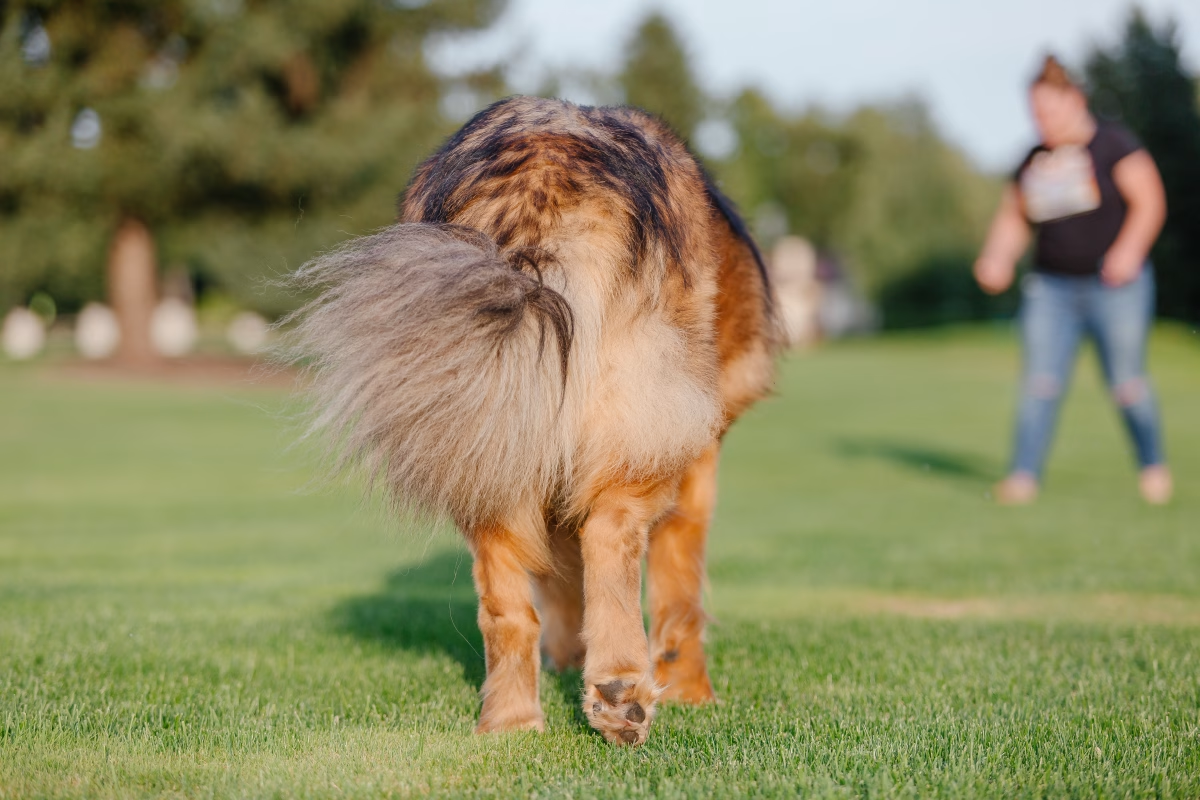
When Zinnia first came to us, we noticed something telling about how she acted with other dogs - her tail. During meetings with new dogs, her tail was held high and stiff. Many people think any wagging tail means a dog is happy or friendly. But that's not always true, and this common mistake can lead to problems.
That high, stiff tail was actually Zinnia's way of saying, "I'm not sure about this situation, so I'm trying to look brave and tough." She wasn't being aggressive or mean - she was scared and trying to protect herself the only way she knew how.
"A wagging tail doesn't always mean a happy dog. How the tail wags tells the real story about what your dog is feeling."
Helping Zinnia Transform
Day by day, we've been carefully introducing Zinnia to calm, friendly dogs in controlled settings. Through these positive meetings, she's slowly learning that these dogs won't hurt her and don't want any trouble.
It's been truly amazing to watch her transformation unfold. With each successful interaction, we see moments where that stiff, high tail starts to relax and move more freely. These small changes might seem minor to someone who doesn't know what to look for, but they represent huge progress in Zinnia's emotional state.
Zinnia is gradually learning she doesn't need to "act tough" to stay safe in social situations. As she builds more confidence, she's starting to default to polite behavior with other dogs. Now she only gets defensive when another dog is truly being rude or inappropriate - which is exactly how a socially healthy dog should behave!
This kind of transformation happens frequently in our work. In our Salt Lake City dog Board and Train programs, dogs with experienced trainers make these positive changes become possible through consistent work and understanding.
Once Zinnia's tail fully relaxes during social interactions, she'll be able to greet other friendly dogs politely - an important skill that will help her thrive in her future forever home.
The Secret Language of Dog Tails
Zinnia's story teaches us several important lessons that every dog owner should understand:
- You can't judge a dog's mood or intentions by looking at just one signal - you need to observe the whole dog and the complete context
- It's not just whether the tail is wagging, but HOW it's wagging that matters
- Learning to read tail language and other body signals helps create safer, more enjoyable experiences for both you and your dog
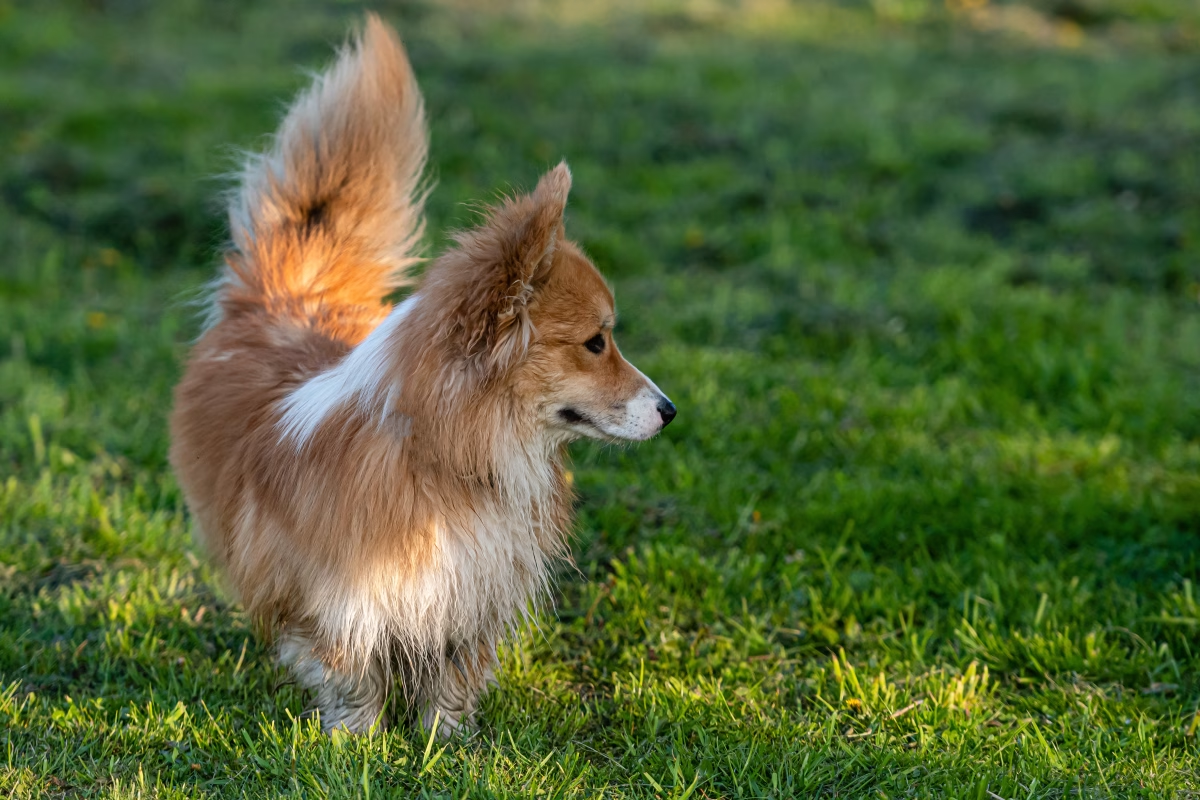
The next time you watch your dog interact with other dogs or people, pay special attention to their tail:
- Is it tucked low between their legs? This usually means they're scared, anxious, or submissive.
- Is it hanging in a neutral position and wagging with a loose, relaxed motion? This typically indicates a comfortable, friendly dog.
- Is it held high and moving stiffly like a flag or antenna? This might mean they're on alert, uncertain, or possibly ready to stand their ground.
Understanding these signals can help you intervene before problems develop and better support your dog in challenging situations.
Comprehensive Training Makes the Difference
Does your dog frequently hold their tail high and stiff during social interactions? Do they seem nervous or reactive around other dogs? A comprehensive board and train program could make a world of difference.
During a quality board and train program, dogs live with professional trainers who work with them daily on both obedience skills and behavioral issues. This immersive experience creates faster, more lasting results than weekly classes alone, especially for dogs with social anxiety or confidence issues.
When you board and train Salt Lake city dogs with professional trainers, they receive consistent guidance and abundant learning opportunities. Your dog will learn crucial social skills while living in a structured environment that builds confidence.
Meanwhile, you'll learn how to read your dog's body language accurately, including those important tail signals we've discussed.
The program includes teaching your dog reliable recall, polite greetings with people and other dogs, and appropriate play skills. Trainers will also work on any specific behavioral concerns you might have, creating a customized plan for your dog's unique needs.
Beyond Basic Training
The benefits of a comprehensive board and train program extend far beyond basic obedience. By the end of the program, both you and your dog will have the skills needed for a more harmonious relationship. You'll be able to:
- Accurately read your dog's emotional state through tail position and other body language
- Identify potential problems before they escalate
- Help your dog navigate social situations with confidence
- Enjoy more freedom and activities together without stress or worry
- Build a deeper bond based on clear communication and mutual trust
Most importantly, you'll gain the confidence to handle various situations with your dog, knowing you can understand what they're trying to tell you. This knowledge transforms the relationship between dogs and their owners, creating safer and more enjoyable experiences for everyone.
Many dogs, like Zinnia, aren't "problem dogs" at all - they're just misunderstood. They need humans who can read their signals and help them build confidence in a sometimes confusing world. A quality board and train program provides exactly that kind of support and education.
Whether your dog shows signs of social anxiety, leash reactivity, or just needs better manners, understanding their tail language is an essential first step toward improvement.
Our professional trainers can help you decode these signals and develop strategies to address the underlying emotions your dog is experiencing.
Remember, your dog is constantly trying to communicate with you. Learning to understand their language might be one of the most important gifts you can give them - and yourself.
